


Music festivals in Gernika: LEKUEK and HAZIBERRI
Experience the spring of Lekuek and the summer of...

Search in the Web
Find all the information about concerts, activities and much more
The festivities of Gernika are very special days for the people of Gernika, and although many are on holiday, they return to the town between August 14 and 18 so as not to miss them. This enthusiasm is reflected in everyone's eagerness to get hold of the festivities programme every year... As early as July, people start asking wether it's already available, even though everyone knows that this much-prized little booklet won't be released until August. The wait only heightens the excitement because, even if the content hardly changes, the enthusiasm remains intact. We invite you to come to Gernika from August 14 to 18 and enjoy these unique plans in Gernika.
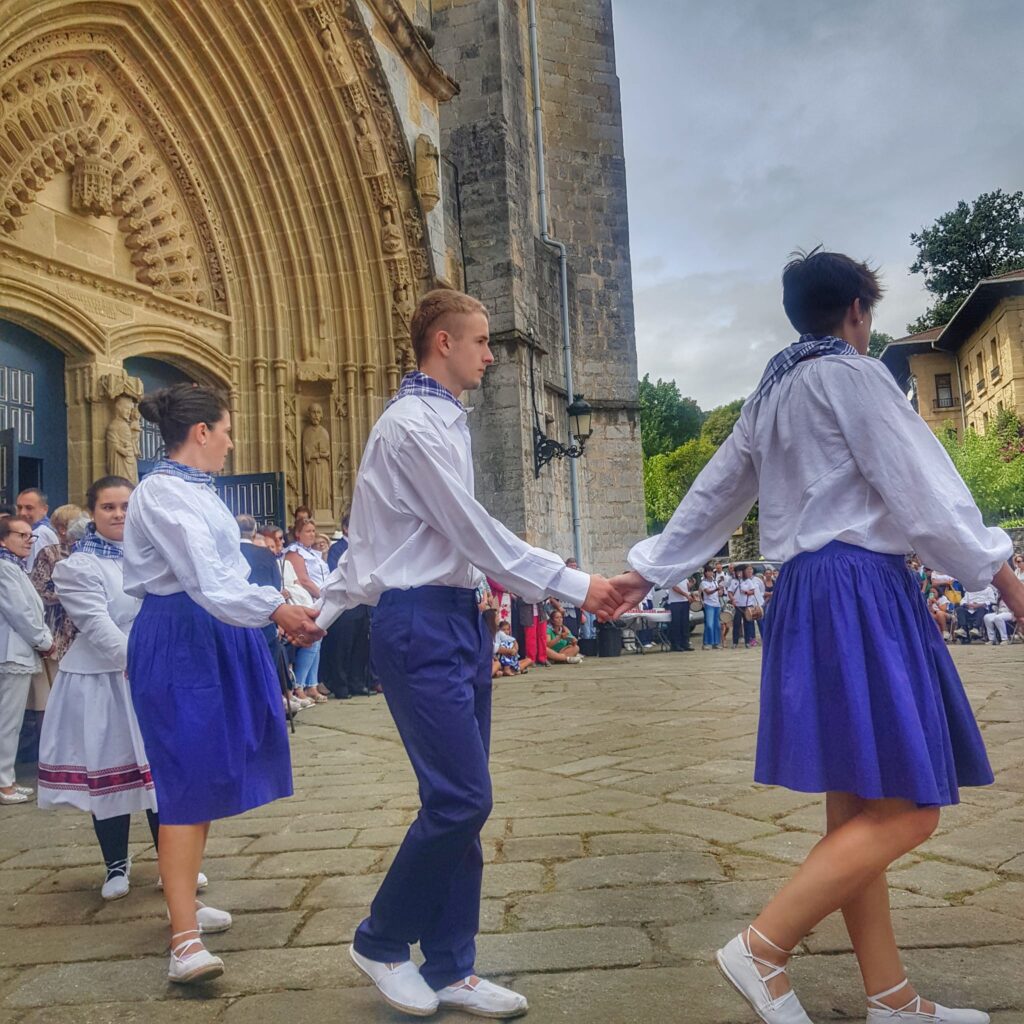
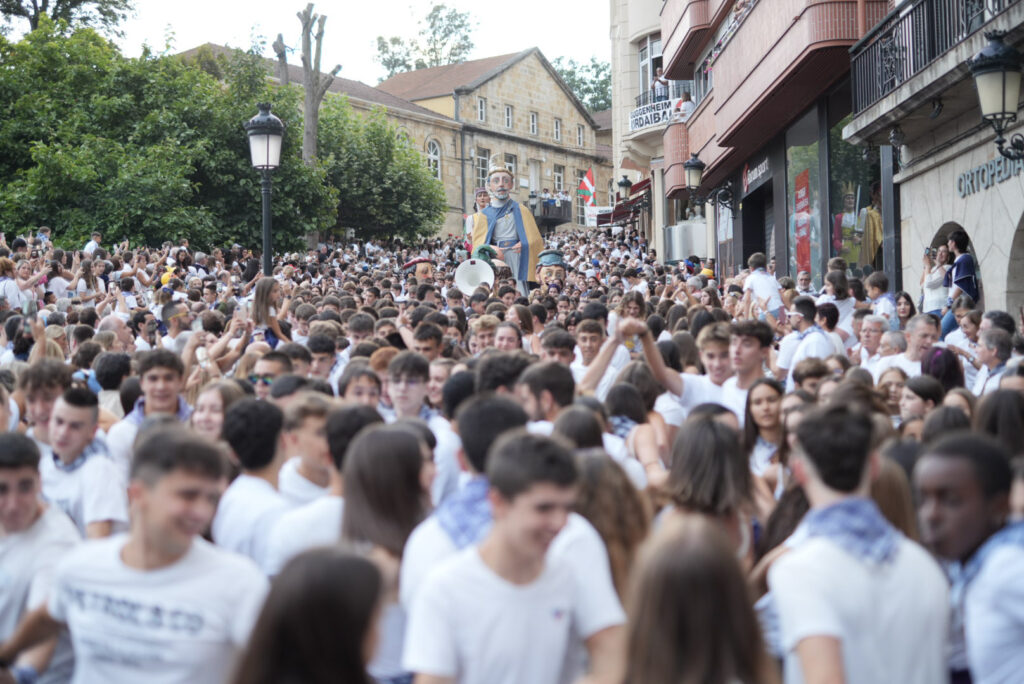
The 14th, the visperada, is, according to the people of Gernika themselves, the most special day. Everyone takes out their white shirt or T-shirt, their blue denim jeans or skirt, and of course theblue checked neckerchief, which patiently waits tied around the wrist or waist until the moment of the txupinazo, when it is finally placed around the neck. From early in the morning, groups of friends take over the streets with contagious energy, and in the afternoon, if you want to listen to the Salve in the church of Andra Mari, you’d better be on time! Otherwise, there’s no room left—and believe me, it’s worth it. When leaving the church, the opening speech is heard from the balcony of the Pasealeku, and when the rocket finally explodes in the sky, the crowd transforms and erupts in a joyful shout that sweeps us along in a chain through Adolfo Urioste Street. It’s an indescribable feeling!
August 15, the day of the Virgin, begins with a deceptive calm. The hangover from the previous day is noticeable, but little by little people get going and, by midday, the streets are bustling again. The goitibehera championship is the highlight of the day: these homemade, motor-free vehicles race downhill at full speed from Lumo to Media Calle. Laughter and cheers echo throughout the town as the drivers try to keep their balance on every curve, some wearing costumes as extravagant as they are amusing.
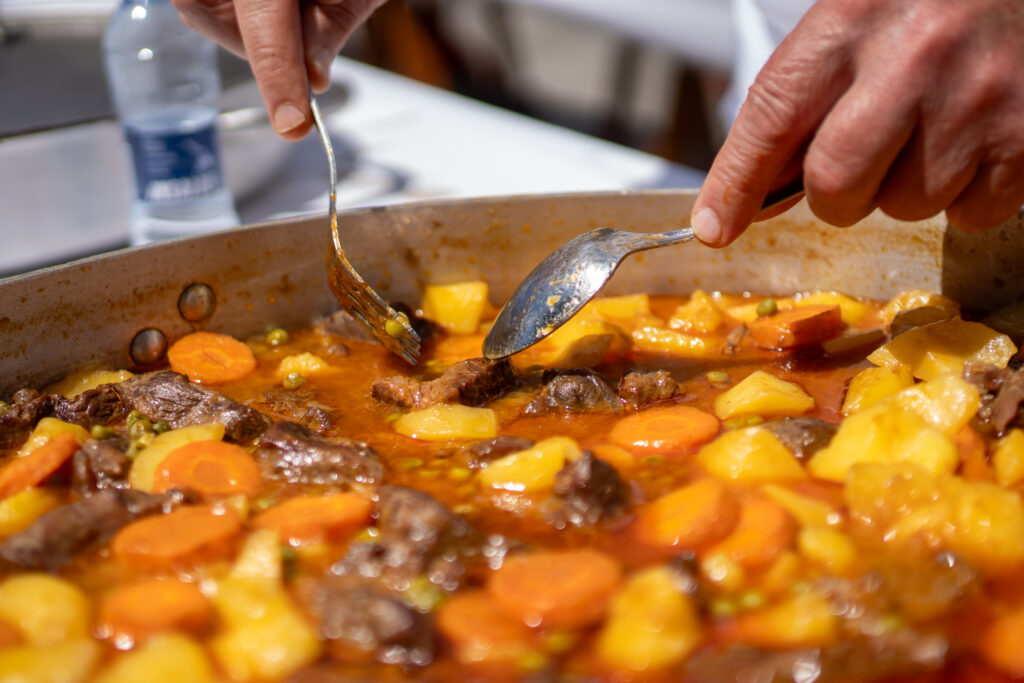
August 16, San Roke, is the big day. From early on, the air is filled with the aroma of sukalki, a traditional stew that groups of friends prepare with great care right on the street. Pots bubble away while the cooks patiently watch the fire, sharing txakoli, pintxos, and improvised songs. But it’s not all about food: the Gernika garrafa also takes center stage. This “strong” concoction is handed out in the Pasealeku along with a txistorra pintxo—so your stomach doesn’t suffer too much! The day ends with concerts and fireworks that light up the night and seal the celebration with a burst of color.
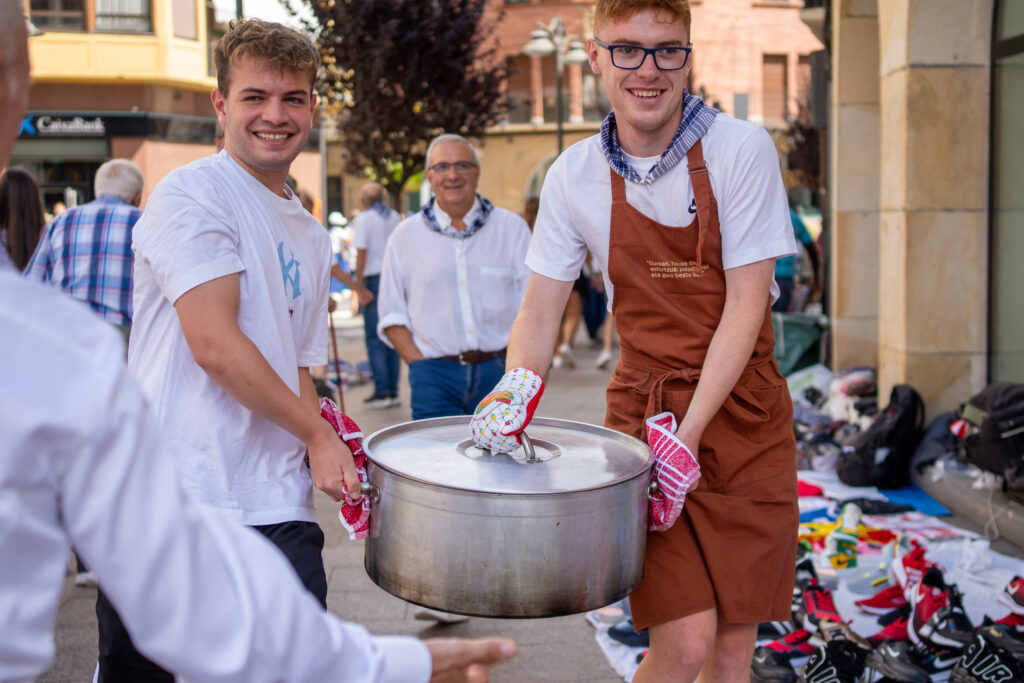
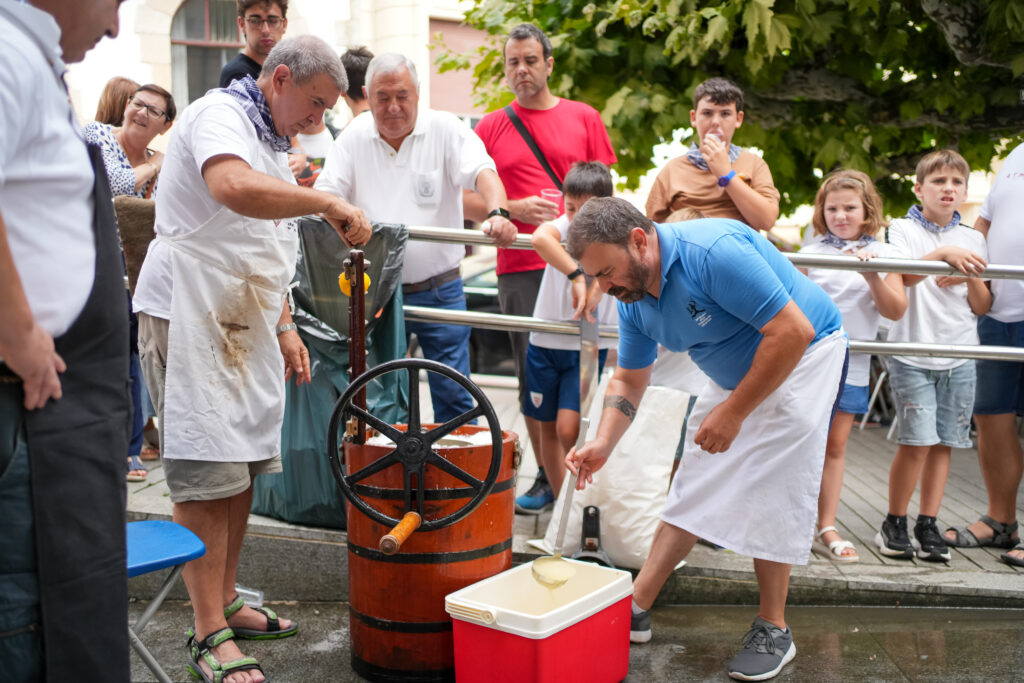
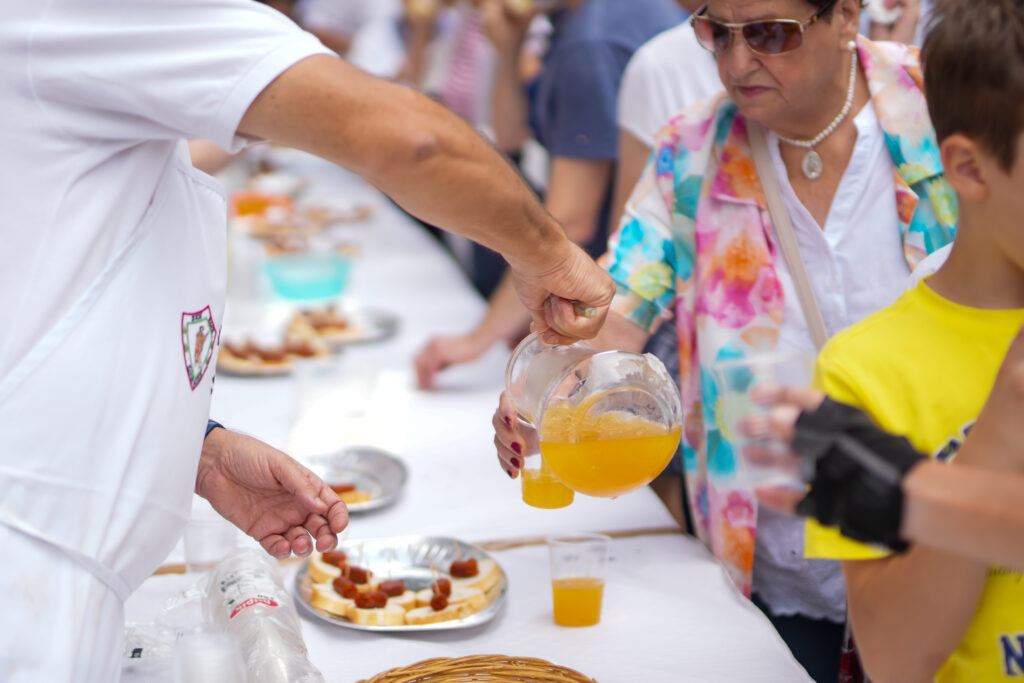
The 17th, San Roketxu, is costume day. Although many are still recovering from the previous day, the afternoon fills with superheroes, fairy-tale characters, and wonderfully creative costumes. Creativity knows no limits, and every year brings new surprises that make us laugh out loud—especially the little ones. Groups challenge each other with games, absurd races, and improvised competitions that make this one of the most carefree and joyful days. Nobody wants the party to end, but fatigue is starting to set in…
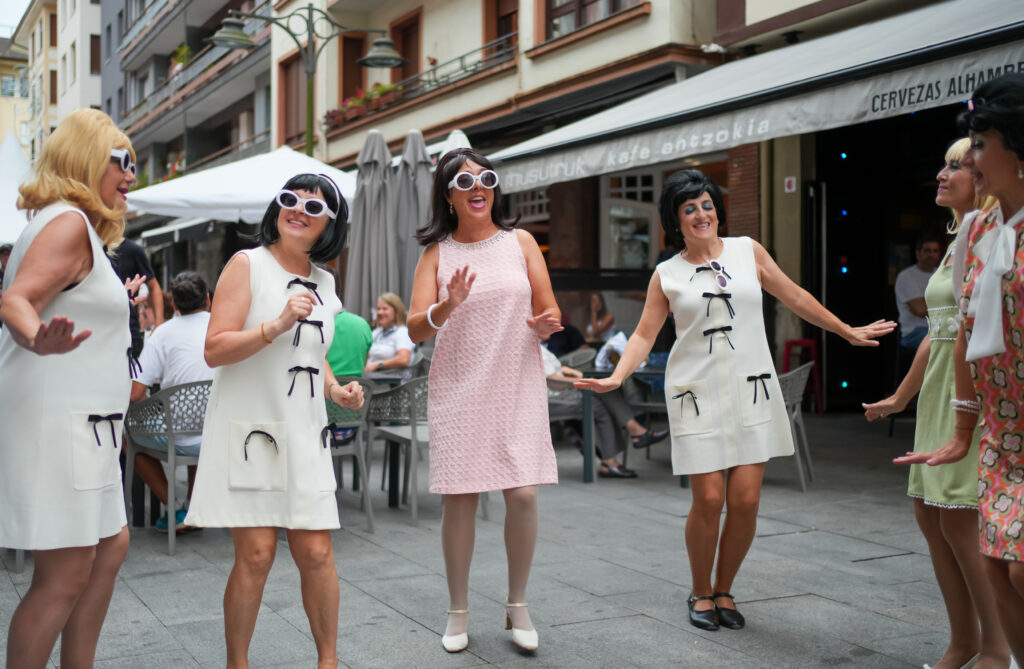
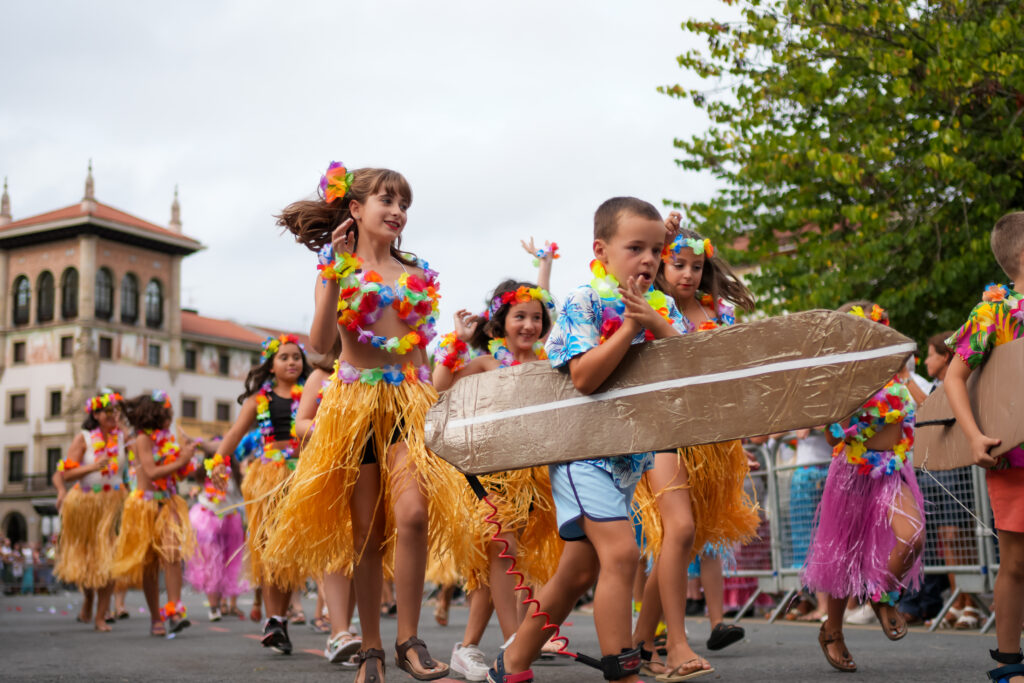
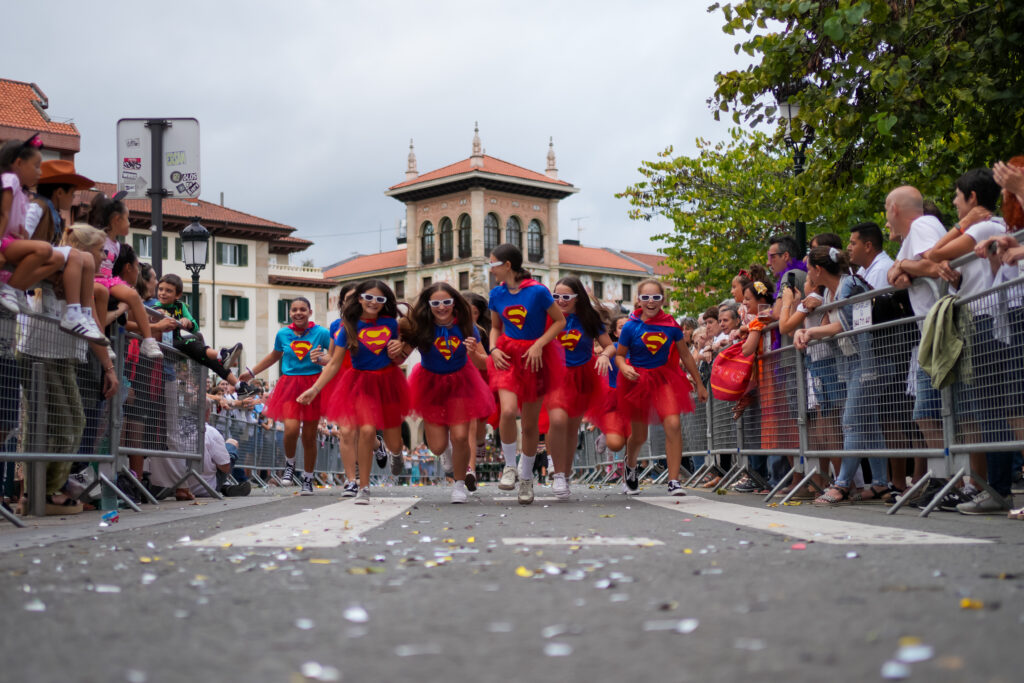
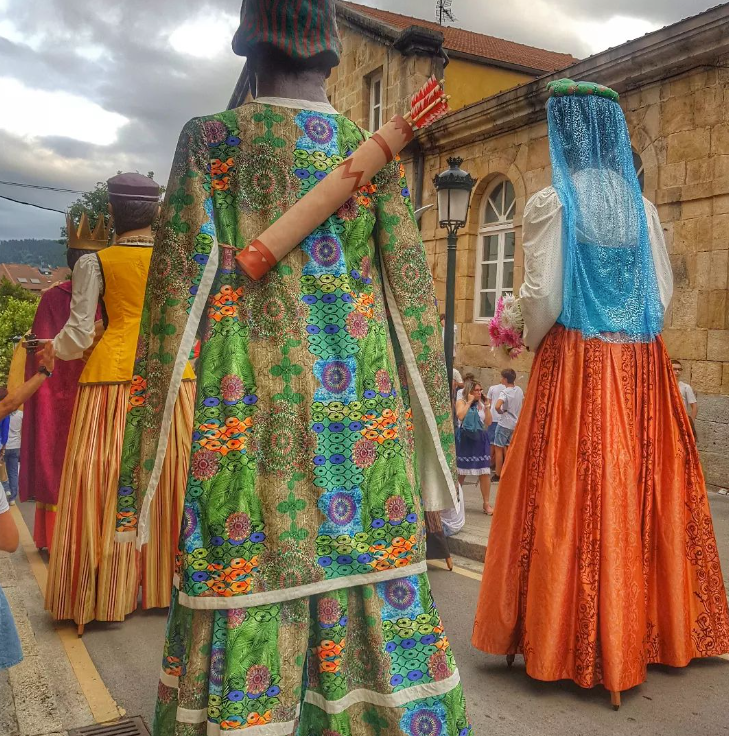
When the 18th arrives, San Roketxutxu (which I thought was a joke of a name, but apparently not), the atmosphere changes. It’s a quieter day, dedicated to older people and children, as a tribute to those who have always lived the festivities and to those who are just discovering them. It’s also a day of farewells, of getting your voice back, and of recalling anecdotes with laughter. As the giants and big-headed figures make their final parade through the streets and the music takes on a more melancholic tone, the general feeling is that of having lived something unique, as if everyone had given their best. And although the festivities come to an end, the certainty that they will return next year makes us smile. And if anyone is still in the mood for more celebration, one week later in August there are still the San Bartolomé festivities in the Renteria neighborhood. So: ONDO PASA!
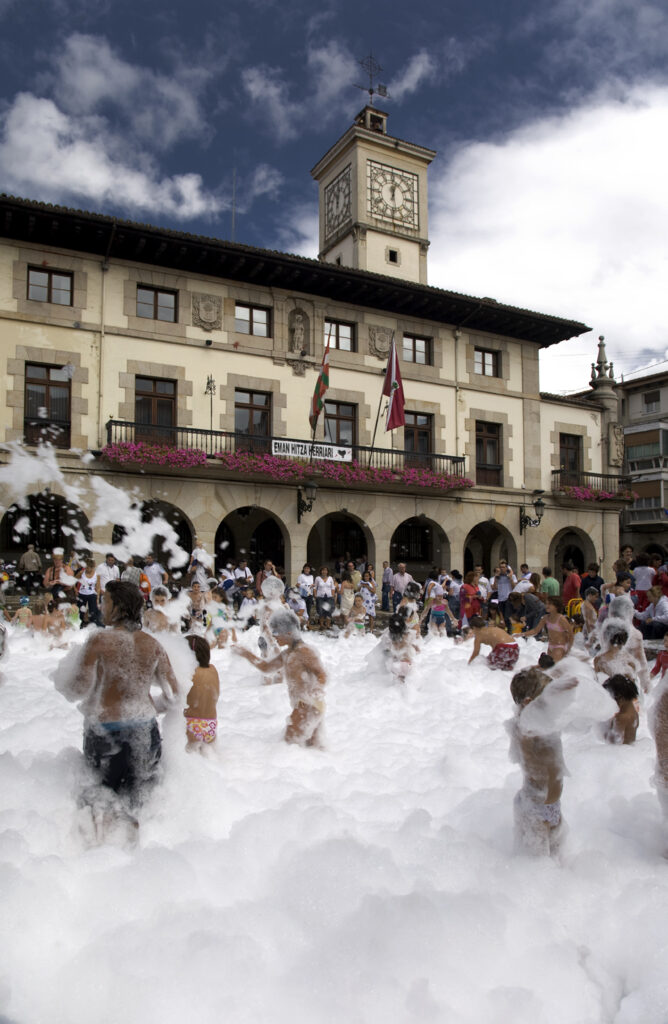
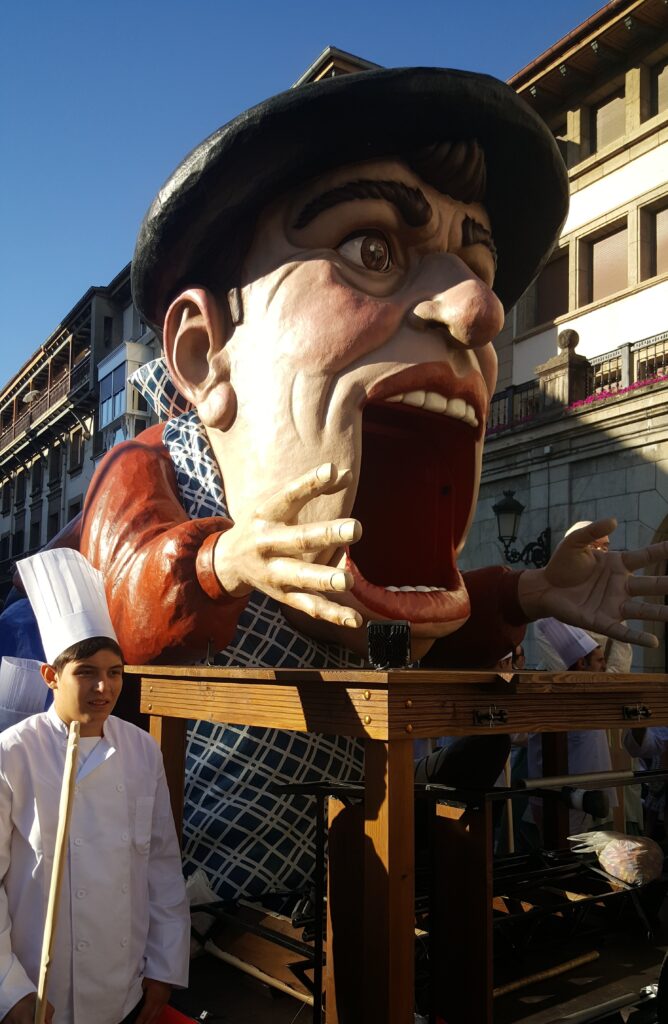
Always check the schedules in case of any changes.
Some words in Basque do not have an exact translation, so here is a brief explanation. This way, you can enjoy the festivities even more by learning a few terms!

Sobre mí:
Perfil oficial de la Oficina de Turismo de Gernika-Lumo

Reader Interactions